

South Korea seamlessly blends thousands of years of
preserved tradition with a hyper-futuristic, high-octane lifestyle. While
tourists flock to popular spots like Gyeongbokgung Palace or N Seoul Tower, the
country offers highly specific, thrilling experiences that you won’t find
anywhere else in the world.
Here are the top five unique things to do in
South Korea, ranging from high-speed tire shredding to ancient spiritual
isolation.
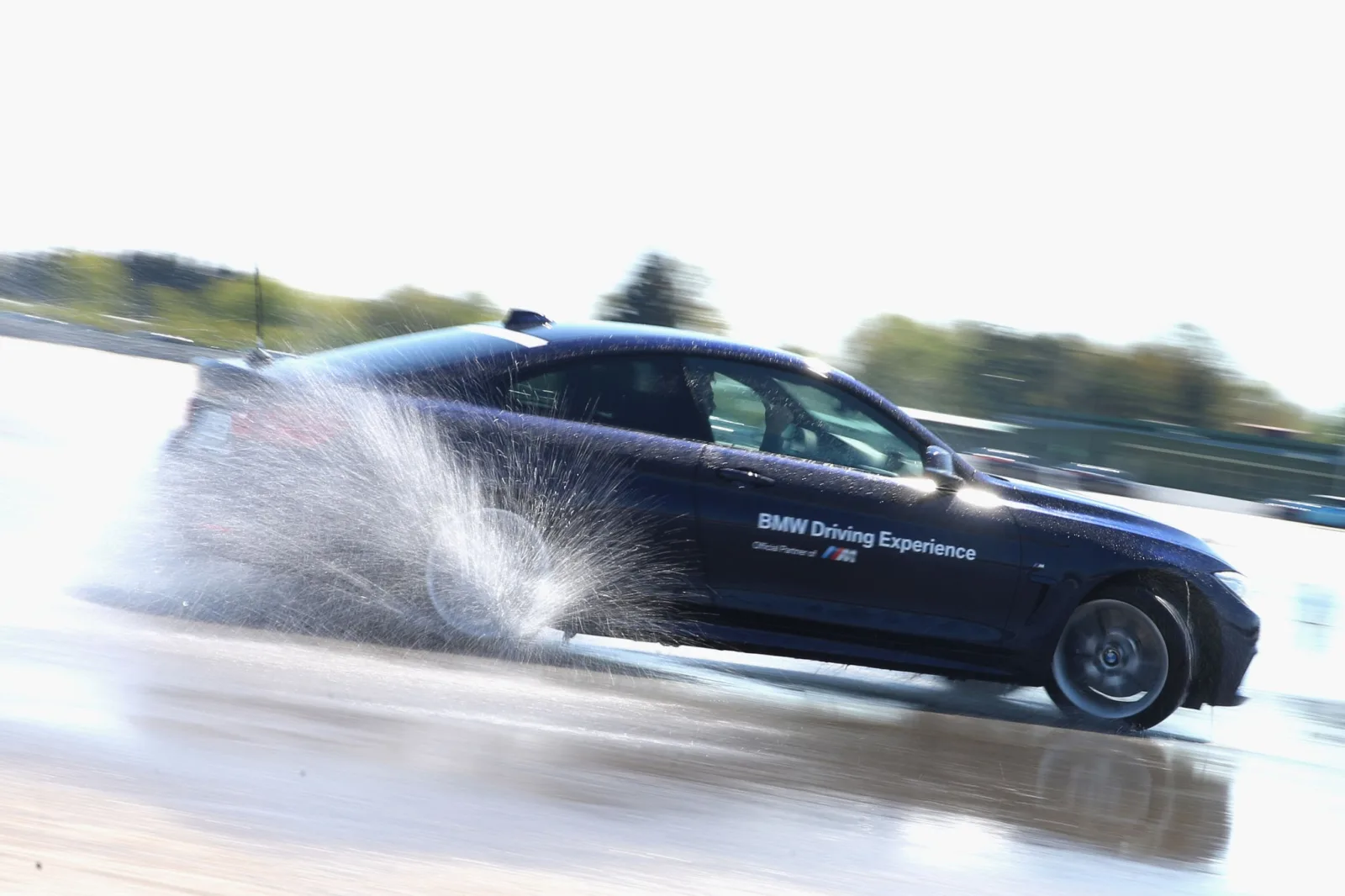
1. Tear Up the Track on an N Drift Tour
For automotive enthusiasts and adrenaline junkies, South
Korea has become a global epicenter for high-performance driving experiences,
particularly through official “Drift Tours.” Led by professional
racing instructors at world-class facilities like the HMG Driving Experience
Center and the mountain-nested Inje Speedium, these tours let you unleash the
art of controlled chaos. You can get behind the wheel of cutting-edge
rear-wheel-drive or performance electric vehicles (like the track-ready IONIQ 5
N) to master drift techniques, counter-steering, and throttle control on
dedicated wet circular courses.
HMG 드라이빙 익스피리언스
+ 1
If you prefer to leave the driving to the pros, you can sign
up for a Drift Taxi tour. You will strap into a bucket seat while a
professional racer flies around the track at blistering speeds, throwing the
car sideways into smoky, rubber-burning slides. It is a sensory overload of
screaming tires and gravitational forces that shows off Korea’s booming,
cutting-edge motorsport culture.
drivingexperience.hyundai.co.kr
2. Spend a Night in Spiritual Isolation at a Templestay
On the absolute opposite end of the energy spectrum, South
Korea’s Templestay program allows ordinary visitors to temporarily live
alongside Buddhist monks in ancient mountain monasteries. Monasteries like
Jogyesa or Haeinsa open their doors to outsiders, offering an immersive
deep-dive into a lifestyle that has remained virtually unchanged for over a
thousand years.
During a templestay, you will wear traditional robes,
participate in Baru Gongyang (a meditative, zero-waste monastic meal ritual),
and wake up at 3:00 AM for the morning chanting ceremony (Yebul). One of the
most profound aspects is performing 108 prostrations (bows) alongside a monk, a
repetitive physical practice designed to empty the mind of worldly anxieties
and invite deep, internal reflection.
3. Step Into a Time Capsule at the Korean Demilitarized Zone
(DMZ)
The DMZ is a striking, surreal strip of land cutting across
the Korean Peninsula that serves as a buffer zone between North and South
Korea. It is arguably the most heavily fortified border on earth, standing as a
living monument to the Cold War. Visiting the DMZ offers an intense,
educational, and deeply somber look at geopolitical history that you cannot
experience anywhere else.
Trailfinders
Touring the area allows you to look through binoculars from
the Dora Observatory directly into North Korea, spotting distant propaganda
villages. You can also walk deep underground into the Third Infiltration
Tunnel, a massive subterranean passage discovered in the 1970s that was
secretly dug by North Korean forces.
4. Explore the Neon-Lit 24-Hour “Bang” Culture
In Seoul, the city truly never sleeps, largely due to its
unique Bang (meaning “Room”) culture. Rather than hanging out in
public squares or standard bars, locals socialize in private, themed
entertainment rooms that operate 24/7. It is a highly localized way of urban
living that showcases Korea’s obsession with gaming, music, and digital
convenience.
You can bounce from a Norebang (singing room) packed with
neon lights and tambourines, to a PC Bang (internet café) featuring
state-of-the-art gaming rigs and gourmet food delivered directly to your desk.
To wind down, you can visit a Jimjilbang—a massive, multi-story public
bathhouse where you can soak in hot springs, sweat in mineral saunas, and sleep
overnight on heated floors.
5. Feast at a Night Market Inside a Hanok Village
To experience the ultimate convergence of the old world and
the new, head to Jeonju Hanok Village or the historic alleys of Seoul. These
neighborhoods preserve hundreds of traditional Hanok homes with their signature
sweeping, curved tiled roofs. While beautiful by day, these areas truly ignite
at night when street food vendors set up stalls under glowing lanterns.
You can spend your evening sampling unique Korean street
delicacies like Tteokbokki (spicy rice cakes), Hotteok (sweet filled pancakes),
and giant grilled cheese skewers drizzled with condensed milk. Eating your way
through these ancient alleys while surrounded by locals dressed in rented
Hanbok (traditional dress) creates a magical, culinary atmosphere that is
quintessentially Korean.


One thought on "Drifting in Korea"
Got to try that sometime