

When most people dream of Greece, their minds instantly drift to the iconic sunset crowds of Santorini or the bustling beach clubs of Mykonos. But with over 6,000 islands and a massive, mountainous mainland, the true soul of Greece often lies exactly where the tour buses don’t go.
If you want to trade packed cruise ports for slow afternoons at seaside tavernas, hidden sea caves, and villages frozen in time, this guide is for you. Here are 10 incredible, lesser-known destinations in Greece to add to your travel bucket list.
Zagori and the Vikos Gorge
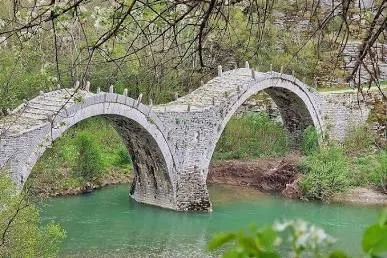
Tucked away in the Pindus Mountains of northwestern Greece, Zagori is a world away from the sun-bleached Aegean. This region is home to 46 stone-built villages known as the Zagorohoria. Connected by ancient arched stone bridges and cobblestone paths, exploring here feels like stepping straight into a dark-aged fairytale.
The crown jewel of Zagori is the Vikos Gorge. According to the Guinness Book of Records, it is the deepest gorge in the world relative to its width. Hiking through the canyon offers breathtaking mountain vistas, icy crystal-clear rivers, and a side of Greece that is lush, rugged, and entirely unexpected.
Monemvasia
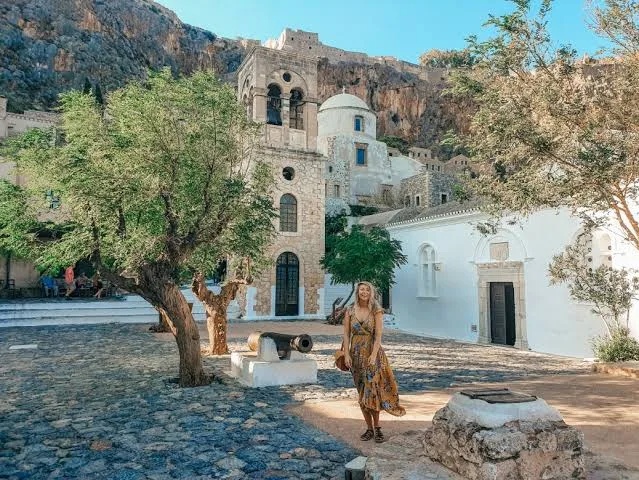
Carved entirely into the back of a massive sea rock off the coast of the Peloponnese, Monemvasia is a medieval fortress town that is completely invisible from the mainland. The only entrance is through a single, narrow walkway. Once you step through the stone gates, you are entering a living museum with no cars allowed.
The town is a labyrinth of Byzantine churches, Venetian mansions, and narrow stone alleys draped in bougainvillea. Spending a night here means falling asleep to the sound of waves crashing against ancient fortress walls and waking up to panoramic views of the deep blue Myrtoan Sea.
Milos
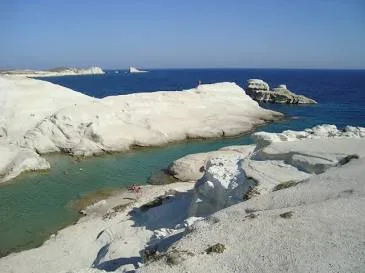
While Milos has gained a bit more traction on social media recently, it still remains a peaceful paradise compared to its neighboring Cycladic islands. Volcanic in origin, Milos boasts the most diverse and otherworldly coastlines in the entire Aegean Sea, featuring over 70 distinct beaches.
The standout location is Sarakiniko Beach, where bone-white volcanic rock formations stretch out into the turquoise water, creating a landscape that looks exactly like the surface of the moon. Pair that with the island’s colorful “syrmata” (traditional fishermen’s houses carved into the rocks), and you have a photographer’s dream without the heavy commercialization.
Symi
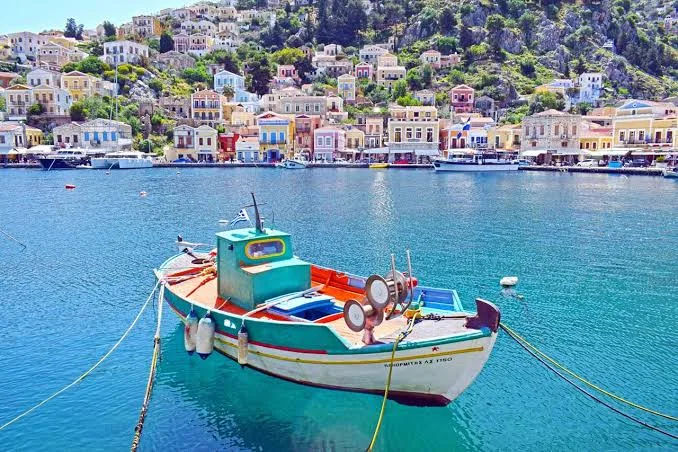
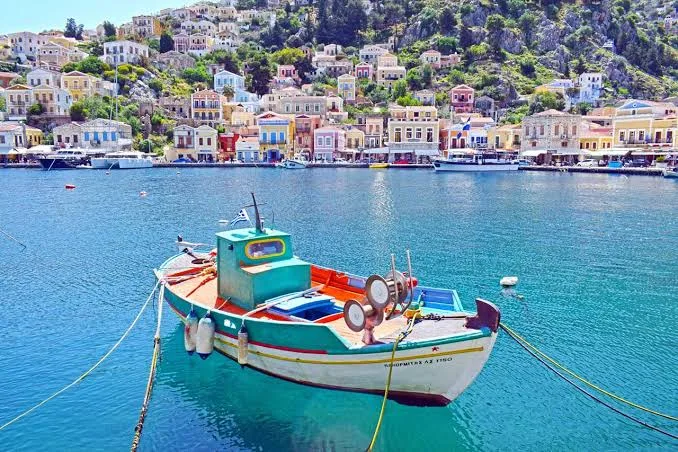
Most travelers heading to the Dodecanese islands stop at Rhodes, but a short ferry ride further reveals the pocket-sized island of Symi. As you sail into Gialos, the main harbor, you are greeted by an amphitheater of neoclassical mansions painted in brilliant shades of yellow, pastel blue, and terracotta.
Symi doesn’t have grand resorts or long sandy highways; instead, it offers quiet pebble bays accessible only by taxi-boat and an incredibly relaxed pace of life. It’s the perfect place to spend long days eating fresh Symi shrimp (a local delicacy eaten whole) right by the water’s edge.
The Mani Peninsula
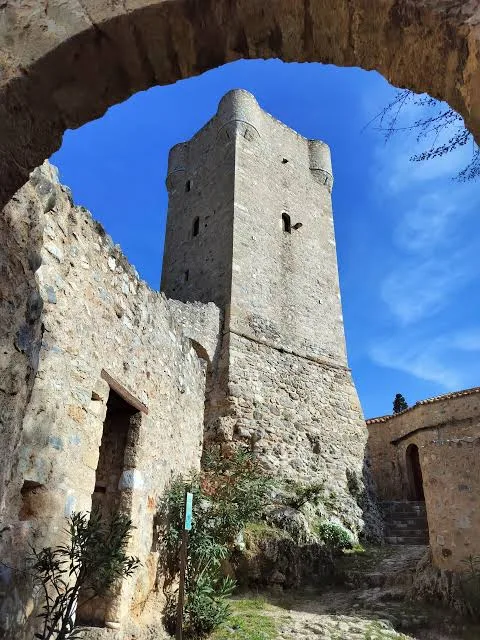
The Mani Peninsula is a wild, rugged, and fiercely independent region located in the southern Peloponnese. Guarded by the towering Taygetos Mountains, the landscape is defined by olive groves, deep caves, and unique, fortified stone tower houses built centuries ago to fend off pirates and rival clans.
Mani feels wonderfully untamed. You can spend your mornings exploring the dramatic underground lake chambers of the Diros Caves, your afternoons swimming in isolated rocky coves, and your evenings dining in sleepy fishing villages like Limeni, where sea turtles frequently swim right up to the harbor walls.
Amorgos
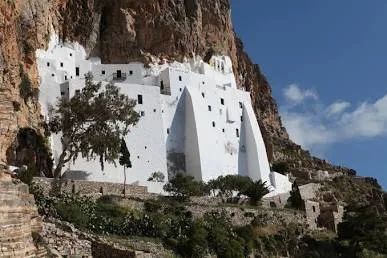
Amorgos is the easternmost island of the Cyclades, characterized by its dramatic mountain ridges and deep cultural roots. Famous among film buffs as the shooting location for the 1988 movie The Big Blue, it remains an island that rewards travelers looking for spiritual quiet and authentic hiking trails.
The definitive highlight of Amorgos is the Monastery of Panagia Hozoviotissa. Built precariously into the face of a sheer cliff 300 meters above the sea, this structure is a marvel of human engineering. The monks still welcome visitors with a glass of local psimeni raki (a sweet, spiced liquor) and a piece of Turkish delight.
Paxos and Antipaxos
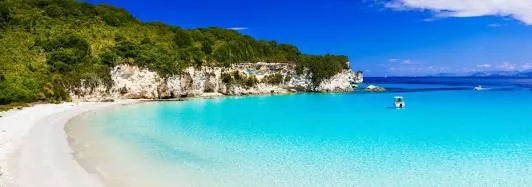
Located in the Ionian Sea just south of Corfu, Paxos and its tiny sibling island, Antipaxos, are often overlooked by international crowds. Paxos is blanketed by ancient olive groves and features three charming, laid-back harbor villages where luxury yachts and simple fishing boats dock side-by-side.
A ten-minute boat ride across the channel brings you to Antipaxos, an island with virtually no permanent residents but home to some of the most spectacular water in Europe. Beaches like Voutoumi feature sand so white and water so electric blue that you would easily mistake it for the Caribbean if not for the cypress trees.
Alonissos
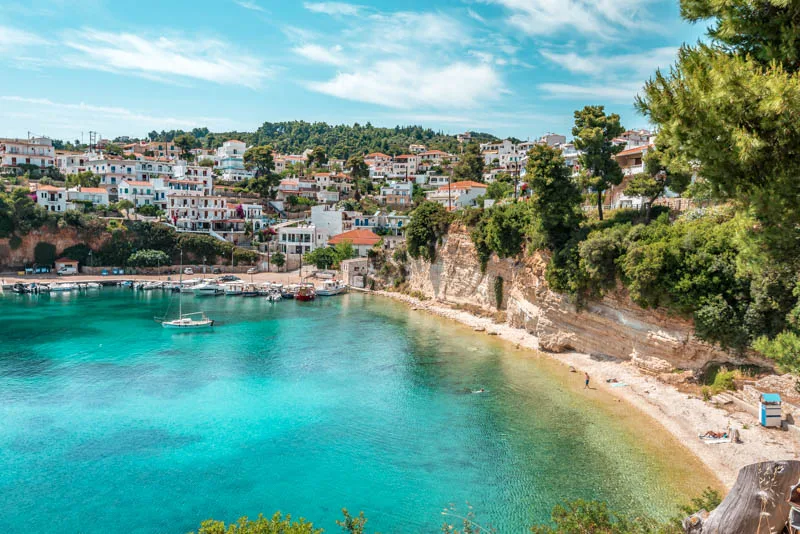
While vacationers flock to the neighboring island of Skiathos for nightlife, nature lovers slip away quietly to Alonissos. This island is the heart of the National Marine Park of Alonissos and Northern Sporades, which is the largest protected marine area in Europe and a primary sanctuary for the endangered Mediterranean monk seal.
Because of the strict environmental protections, the waters surrounding Alonissos are incredibly clean and clear, making it a premier destination for scuba diving and snorkeling. The old hilltop capital, Chora, offers stunning 360-degree views of the Aegean without the overwhelming tourist rush.
Parga
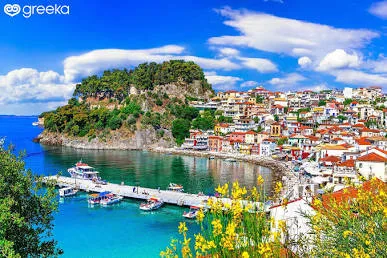
Parga is a destination on the mainland coast of Epirus that manages to feel exactly like an island. Nestled into a secluded bay along the Ionian coast, the resort town is characterized by colorful houses that cascade down a hillside toward a lively waterfront promenade.
Overlooking the bay are the imposing ruins of a Venetian castle, which offers incredible views of the town and the small, emerald islet of Panagia just offshore. Parga serves as a wonderful base for exploring both the beautiful beaches of the coastline and the mythological Acheron River nearby.
Karpathos
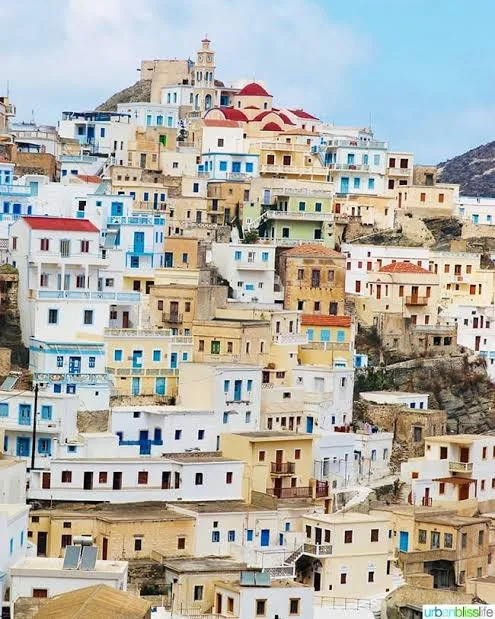
Sitting isolated in the sea between Crete and Rhodes, Karpathos is an island where ancient traditions don’t just exist for the sake of tourists—they are a genuine part of everyday life. This is most evident in the isolated northern mountain village of Olympos.
Because it was cut off from the rest of the world for centuries, Olympos functions almost as a matriarchal living museum. Women here still wear traditional, hand-embroidered clothing, speak an idiom that contains ancient Doric Greek words, and bake bread in communal outdoor stone ovens. It is a profound look at a side of Greece that has vanished nearly everywhere else.


