Italy is an incredible blend of ancient history, world-class art, stunning landscapes, and unforgettable food. To help you plan an amazing itinerary, here is a curated list of the top 10 things to do across the country.
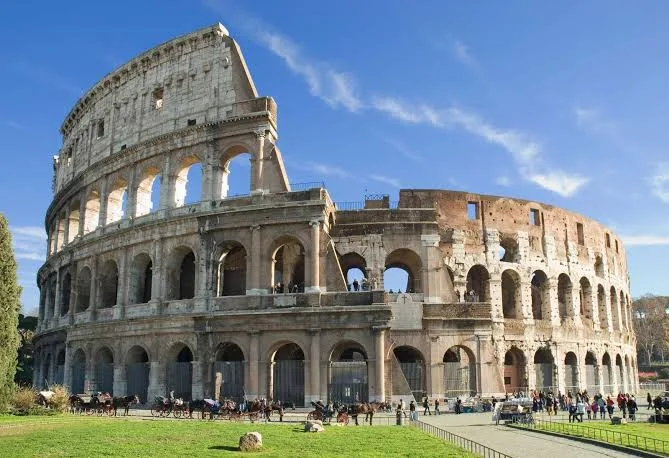
1. Explore the Ancient Colosseum in Rome
Walking into the Colosseum feels like stepping directly into the pages of a history book. Completed in 80 AD, this monumental amphitheater once held up to 50,000 spectators who gathered to watch gladiatorial combats, dramatic plays, and public spectacles. Exploring the tiers and looking down into the exposed hypogeum—the underground network of tunnels where gladiators and animals awaited their fate—offers a profound sense of the scale and complexity of the Roman Empire.
To get the most out of your visit, pair the Colosseum with a walk through the neighbouring Roman Forum and Palatine Hill. Wandering among the ruined temples, grand arches, and ancient government buildings gives you a vivid picture of what daily life looked like at the heart of the ancient world.
2. Cruise the Canals of Venice in a Gondola
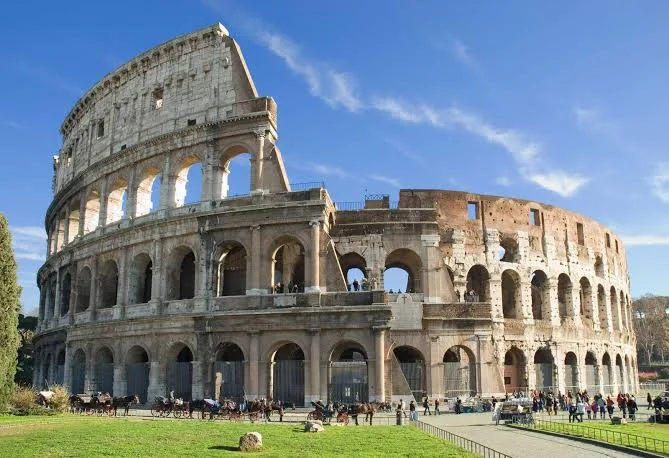
Venice is a city that defies logic, built entirely on a network of over 100 small islands in a lagoon. Gliding through its narrow, maze-like waterways in a traditional wooden gondola is one of Italy’s most iconic experiences. As your gondolier navigates past historic, water-stained palaces, you will experience a quiet, peaceful side of the city that is completely hidden from the bustling pedestrian walkways.
Beyond the romantic allure of the canals, Venice is packed with architectural masterpieces. Spend your time exploring the vast St. Mark’s Square, marveling at the golden mosaics inside St. Mark’s Basilica, and crossing the famous Rialto Bridge to explore the local markets.
3. Climb the Duomo in Florence
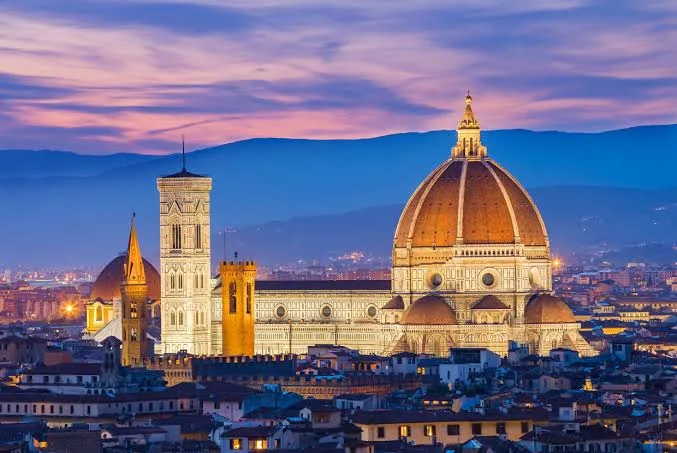
Florence is the undisputed birthplace of the Renaissance, and its skyline is dominated by the breathtaking Cathedral of Santa Maria del Fiore, simply known as the Duomo. Designed by Filippo Brunelleschi, the cathedral’s massive red-tiled dome was a groundbreaking feat of engineering in the 15th century. Climbing the 463 stone steps to the top of the dome rewards you with a close-up view of the vibrant Last Judgment frescoes painting the interior, as well as a sweeping panorama of Florence’s terracotta rooftops and the Tuscan hills beyond.
The rest of the city functions as an open-air museum. You can easily spend days viewing timeless masterpieces like Michelangelo’s David at the Accademia Gallery or wandering through the Uffizi Gallery, home to legendary works by Botticelli and Da Vinci.
4. Drive or Hike the Amalfi Coast
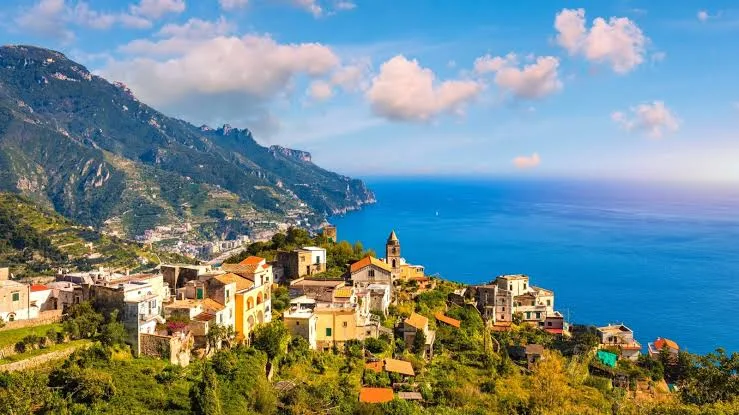
The Amalfi Coast is a stunning 50-kilometer stretch of coastline along the southern edge of the Sorrentine Peninsula. Here, sheer cliffs drop dramatically into the brilliant blue Tyrrhenian Sea, interspersed with pastel-colored fishing villages that seem to cling precariously to the rock faces. Towns like Positano, Amalfi, and Ravello offer a perfect mix of upscale glamour, historic churches, and sun-drenched beaches.
If you want an active alternative to navigating the winding, narrow coastal roads, lace up your boots for the Sentiero degli Dei (Path of the Gods). This high-altitude hiking trail links isolated mountaintop villages and serves up some of the most spectacular coastal vistas in all of Europe.
5. Walk Through the Frozen Ruins of Pompeii
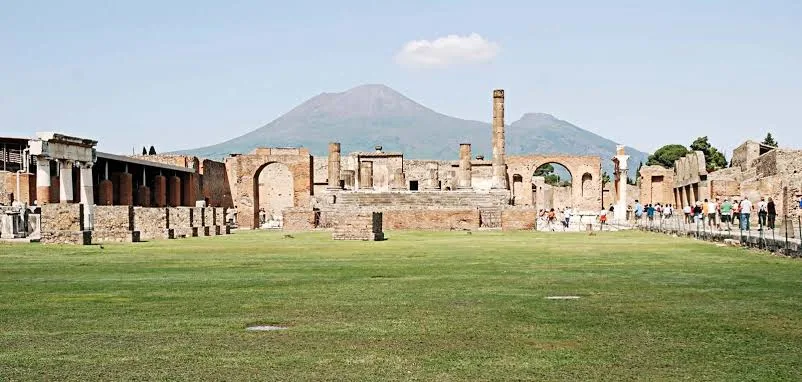
In 79 AD, the catastrophic eruption of Mount Vesuvius buried the thriving Roman city of Pompeii under meters of volcanic ash and pumice. Because the city was buried so quickly, it was remarkably preserved for centuries, creating an eerie, fascinating time capsule of Roman life. Walking through the excavated streets today, you can step into ancient homes, bars, public baths, and theaters that look almost exactly as they did nearly 2,000 years ago.
The most poignant aspect of Pompeii is the plaster casts of the victims, capturing their final, harrowing moments. It is a deeply moving historical site that pairs perfectly with a hike up to the crater of Mount Vesuvius itself, which still looms large on the horizon.
6. Hike Between the Villages of the Cinque Terre
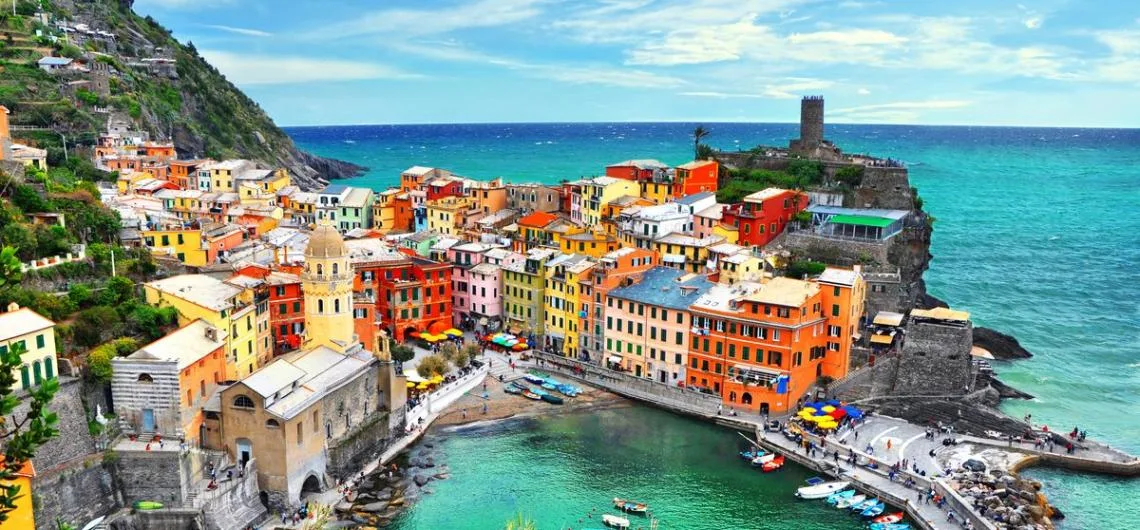
The Cinque Terre, translating to “Five Lands,” is a rugged, incredibly beautiful portion of coast on the Italian Riviera. It comprises five distinct, centuries-old fishing villages: Monterosso al Mare, Vernazza, Corniglia, Manarola, and Riomaggiore. Characterized by brightly painted houses stacked tightly above steep, terraced vineyards, this UNESCO World Heritage site bans car traffic, preserving its old-world Mediterranean charm.
A historic network of cliffside footpaths connects the villages, offering hikers breathtaking views of the sparkling Ligurian Sea, olive groves, and dramatic stone coastlines. After a rewarding hike, there is nothing better than cooling off with a swim in a rocky cove and grabbing a slice of fresh focaccia slathered in local basil pesto.
7. Indulge in a Food Tour of Bologna and Emilia-Romagna
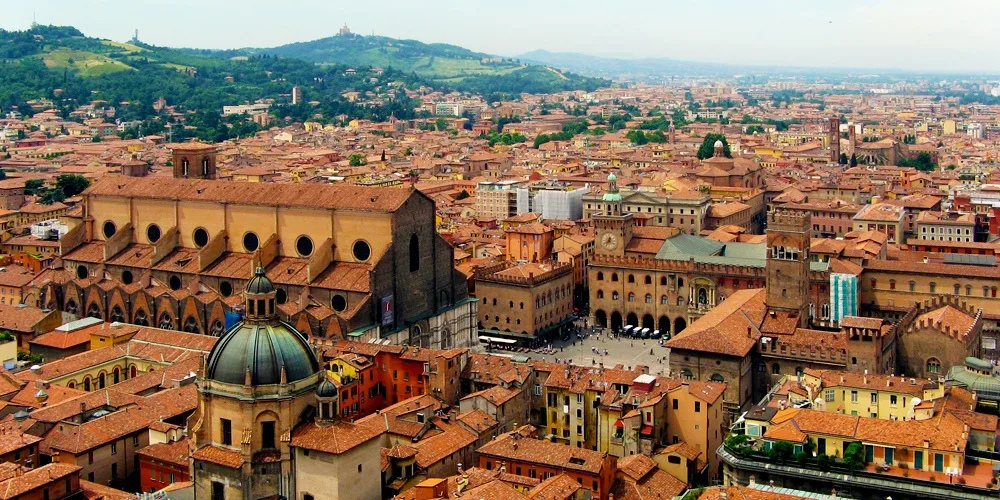
If your primary motivation for visiting Italy is the food, Bologna should be your capital city. Located in the fertile region of Emilia-Romagna, Bologna is affectionately nicknamed La Grassa (The Fat One) for its rich, unparalleled culinary traditions. It is the birthplace of world-famous staples like ragù (traditional Bolognese sauce), mortadella, and hand-rolled tortellini served in rich broths.
Taking a food tour through Bologna’s medieval market district, the Quadrilatero, introduces you to generational family shops. From here, you can easily take day trips to nearby towns to see exactly how Italy’s most protected culinary products are made—including authentic Parmigiano Reggiano in Parma, and traditional, oak-aged balsamic vinegar in Modena.
8. Relax and Unwind at Lake Como
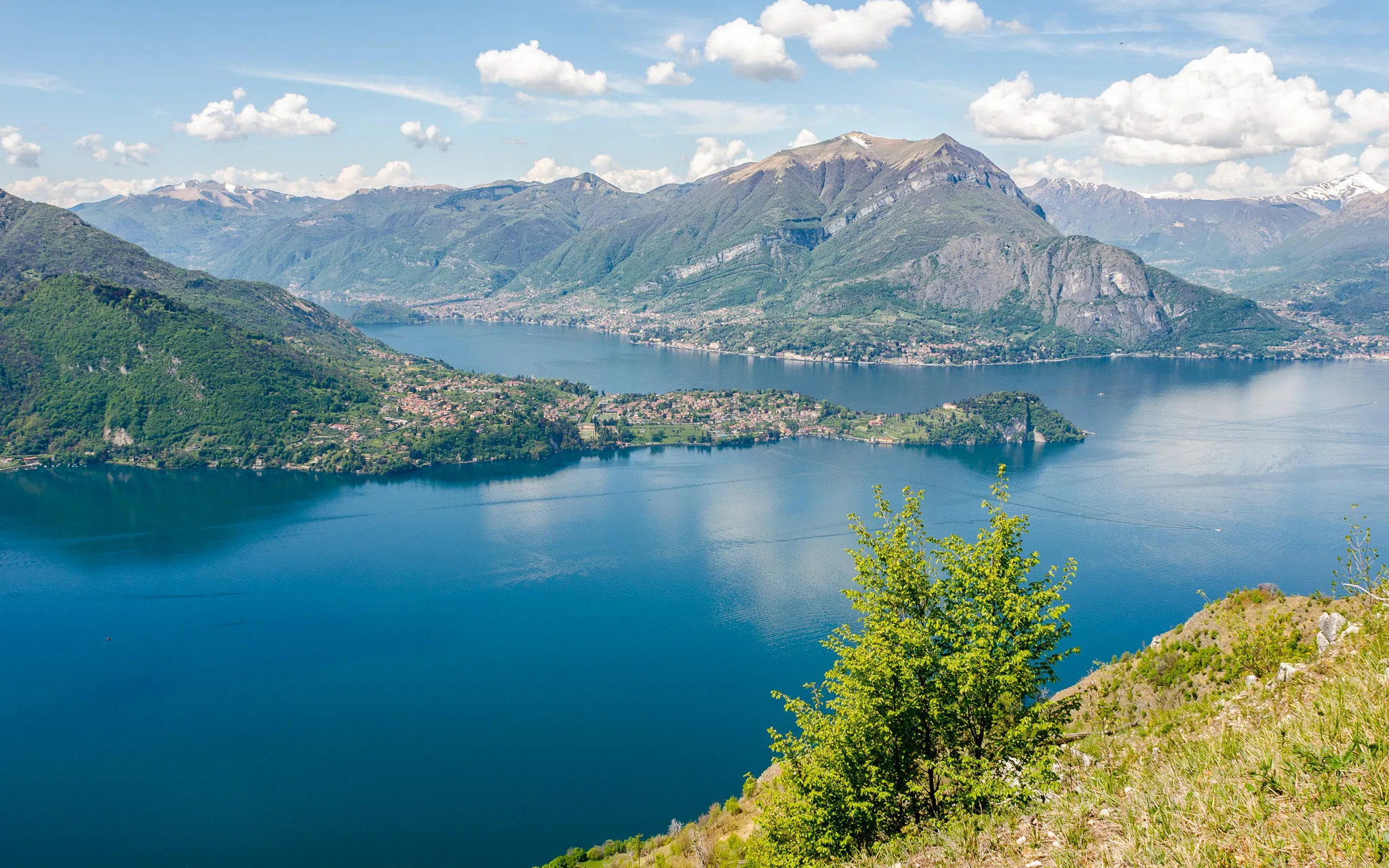
Nestled against the foothills of the Alps in Northern Italy, Lake Como has been a luxury retreat since the days of the Roman Empire. The upside-down ‘Y’ shaped lake is renowned for its dramatic mountain backdrops, pristine deep blue waters, and elegant 19th-century villas wrapped in lush, botanical gardens. Charming lakeside towns like Bellagio and Varenna offer narrow, cobblestone alleyways to explore, lined with intimate cafes and silk boutiques.
The best way to experience the lake’s grandeur is from the water. You can hop onto the public ferries or hire a private wooden speed boat to cruise past grand estates, spot historic filming locations, and soak in the crisp, alpine air.
9. Go Wine Tasting in Tuscany’s Val d’Orcia
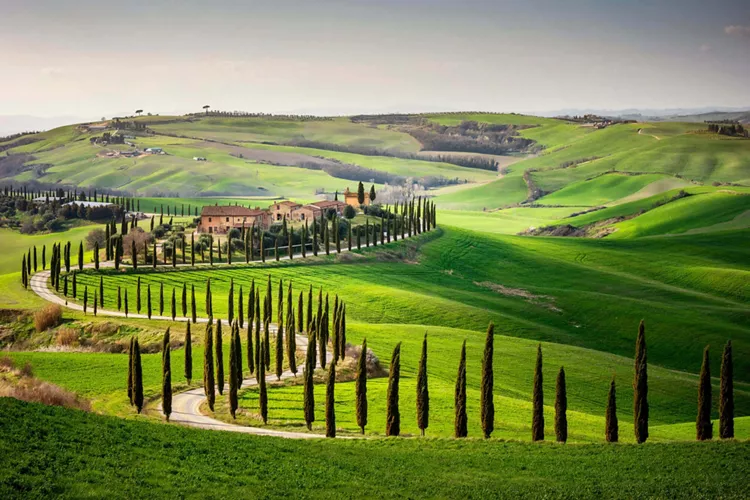
Tuscany’s Val d’Orcia represents the quintessential Italian countryside that you see in postcards. The landscape is defined by rolling golden hills, isolated stone farmhouses, and perfectly straight rows of dark green cypress trees. This region is a paradise for slow travel, where mornings are spent exploring medieval hilltop towns like Pienza and Montalcino, and afternoons are reserved for long, leisurely lunches.
The valley is also home to some of Italy’s most prestigious vineyards. Wine enthusiasts can tour historic cellars to taste world-class Sangiovese wines, including the bold Brunello di Montalcino and Vino Nobile di Montepulciano, usually paired with locally produced pecorino cheese and cold-pressed olive oil.
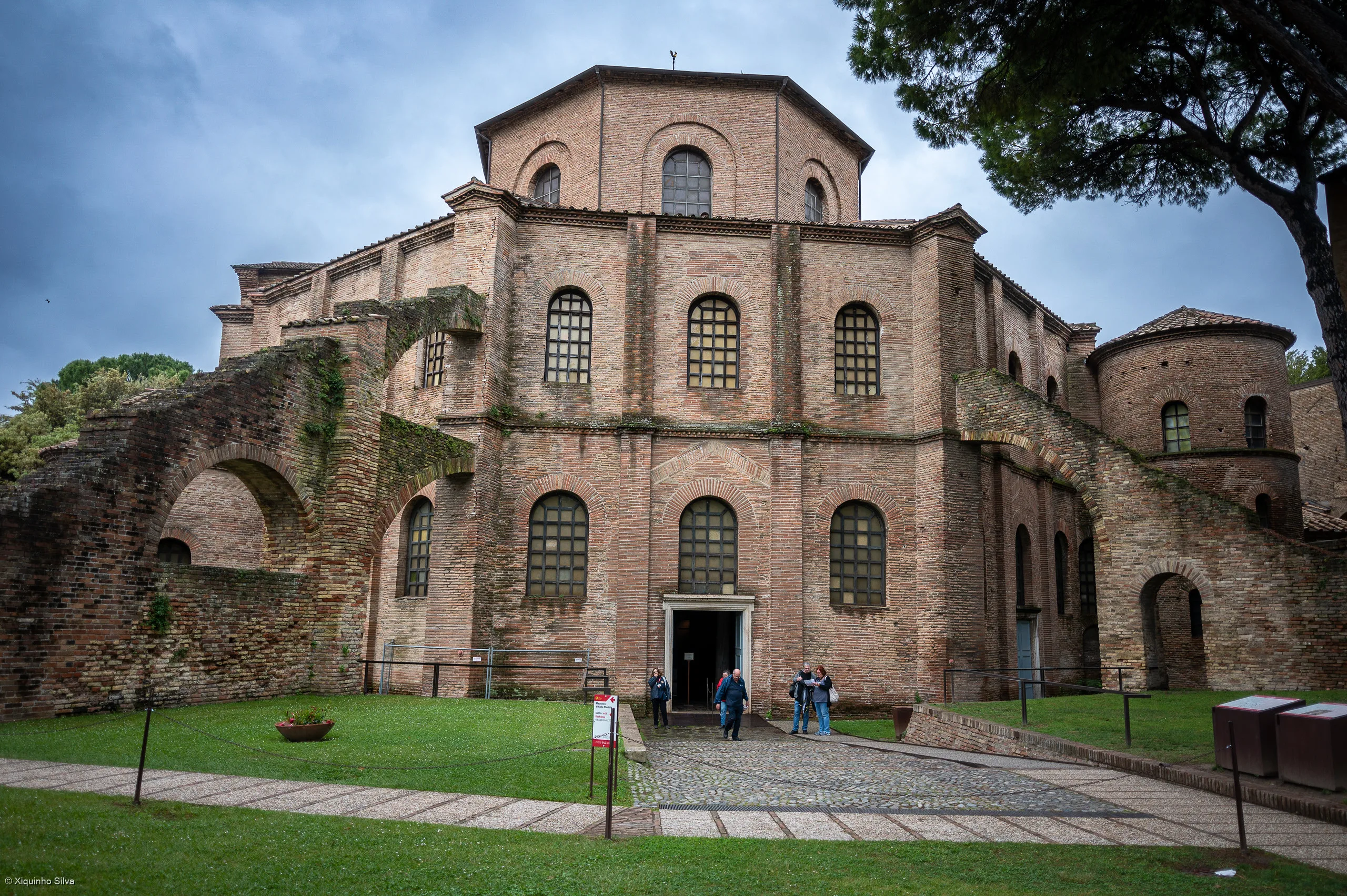
10. Marvel at the Architecture of San Vitale in Ravenna
While cities like Rome and Florence get the lion’s share of attention for art, the quiet town of Ravenna holds a spectacular secret. During the 5th and 6th centuries, Ravenna served as the capital of the Western Roman Empire and later the Byzantine Empire. Because of this unique history, the city’s unassuming, plain brick churches house some of the finest, most vibrant Byzantine mosaics surviving in the world today.
The jewel in the crown is the octagonal Basilica of San Vitale. Stepping inside reveals walls completely covered in glittering green and gold tiles depicting biblical scenes and the court of Emperor Justinian. The way the light catches the unevenly set glass tiles creates an ethereal, shimmering atmosphere that feels completely otherworldly.